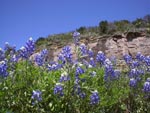
Burnet, Texas
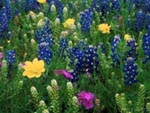
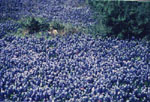
is officially recognized by the Texas legislature as the "Bluebonnet Capital of
Texas".
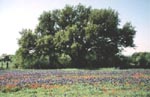
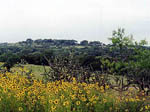
Spectacular displays of wild flowers
are abundant throughout the Lakes and Hills region. The optimum time for viewing wild
flowers in the Hill Country is usually the first few weeks of April.
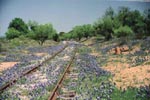
The Texas Hill Country
Wildflower Trail
Created by 10 Hill Country communities, this self guided tour celebrates the natural
roadside beauty from late March through June. In addition to bluebonnets, you'll see Texas
paintbrush, sunflowers, coreopsis, and black-eyed Susans.
The most concentrated profusion blooms
in the Hill Country -- loosely bordered by the loop of scenic highways between Austin and
San Antonio and San Marcos and Fredericksburg. Most agree that the best time to visit is
April, especially for bluebonnets, but the color show begins as early as mid March. In
March, the DOT will resume operation of its Wildflower Hotline, to tell you where to find
the best color at any given time (www.dot.state.tx.us).
The Burnet area includes routes near
Lake Buchanan and Inks Lake.
Hwy 29
runs from Georgetown at I-10 through Burnet, Llano and Mason and provides a number of
different views of bluebonnets mixed with other wildflowers.
Near Inks Lake,Hwy 29
the topography becomes very hilly providing backdrops of granite rock outcrops.
Park Road 4 off of US
Hwy 281 between Burnet and Marble Falls offers breathtaking views as well. |

Wildflower Trail Map - Click for enlargement
|
Related Events in the Lakes
and Hills
| APRIL |
| Date |
Event |
Location |
Contact |
| |
Highland Lakes Bluebonnet Trail |
Buchanan |
Chamber |
| |
Bluebonnet Trail Art & Craft
Show |
Llano |
Chamber |
| 4/1-4/9 |
Bluebonnet Trail Art & Craft
Show |
Buchanan |
Chamber |
| 7 - 9 |
Bluebonnet
Festival |
Burnet |
Chamber |
| |
Highland Lakes Bluebonnet Trail |
Buchanan |
Chamber |
| |
Wine & Wildflower Trail |
Hill Country |
Website |
Growing Bluebonnets
Tips from the Texas Aggie Horticulture Network:
- Plant in full sun, in soil which drains well and
doesn't stay wet for long periods of time.
- Utilize transplants or chemically scarified seed
- Barely cover seeds with soil, don't bury the crown
of transplants
- Water seeds only on the day of planting and
transplants only when the top one inch of soil dries
- No applications of fertilizer are required but are
helpful and will cause more abundant bloom
- Interplant with pansies and other annuals for
winter-long color
- Don't overwater!
|
resources: frommers.com, wildflowerhaven.com |